AI-generated illustration
Across seven cohorts, higher blood p-tau217 was more strongly associated with subsequent cognitive impairment among APOE ε4 carriers. Follow-up analyses focused on…
Read story: Same blood marker, different risk links: genetics changes the picture ↗
AI-generated illustration
When mice received equal-calorie fructose or glucose, fructose suppressed hunger-related AgRP neuron activity less strongly. The research indicates that signals travelling from…
Read story: Fructose and glucose affect hunger circuits differently in mice ↗
AI-generated illustration
The ApexGO system used existing peptides as starting points to design modified candidates. Researchers synthesized and tested one hundred molecules in the…
Read story: AI helps researchers improve antibacterial peptide candidates ↗
AI-generated illustration
In a crossover trial involving 35 children with inattention and listening difficulties, remote microphone use improved speech understanding and auditory attention. Children…
Read story: Hearing the teacher more clearly may support classroom attention ↗
AI-generated illustration
Researchers assessed MiniDock in 1,380 people with suspected pulmonary tuberculosis across seven countries. Against culture-confirmed disease, sensitivity was 85.7% using sputum and…
Read story: A tongue swab instead of sputum for TB testing: findings from seven countries ↗
AI-generated illustration
Implanted electrodes translated brain signals into an avatar’s speech and upper-body movements. Three people with severe speech paralysis participated; simultaneous speech and…
Read story: Brain signals combine speech and gestures in a digital avatar ↗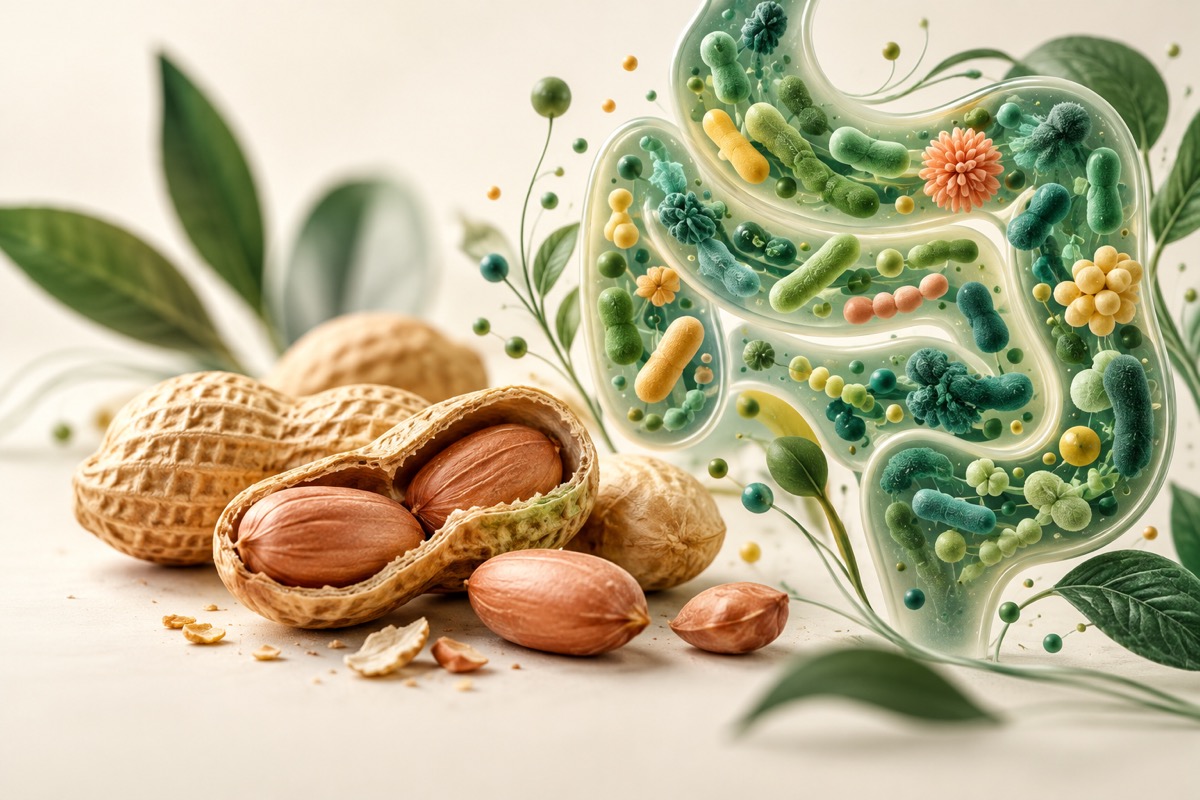
AI-generated illustration
Fifteen people with peanut allergy received capsules containing gut microbes from non-allergic donors. After four months, tolerated peanut amounts increased in three…
Read story: Could gut microbes help with peanut allergy? An early small study ↗
AI-generated illustration
After quality control, researchers compared hippocampal tissue from 11 donors with a history of depression and 19 without. Depression was associated with…
Read story: Does nerve-cell development differ in depression? Clues from brain tissue ↗
AI-generated illustration
In experiments starting with 20-month-old female mice, semaglutide improved some movement and cognitive measures. With treatment continued until death, median lifespan was…
Read story: Semaglutide extended lifespan in older female mice: what does it mean for people? ↗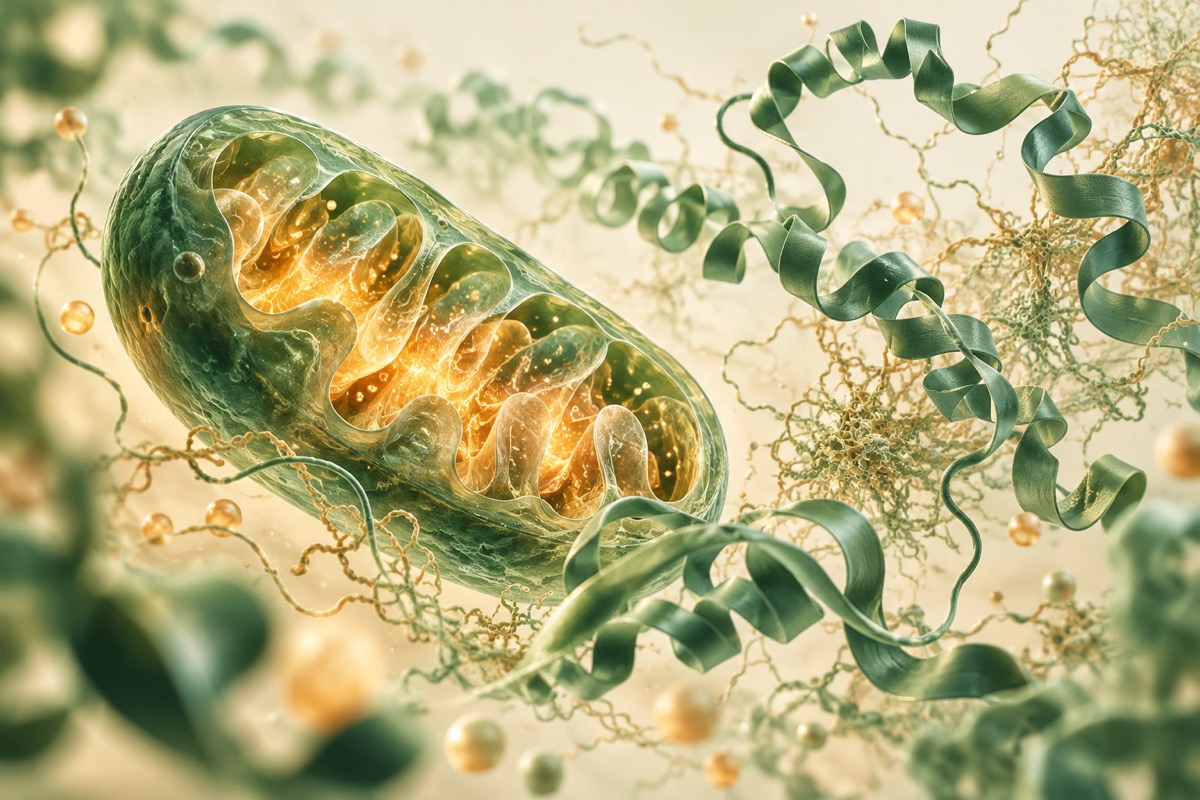
AI-generated illustration
Laboratory and animal models showed that abnormal tau changes could trigger reverse electron flow in mitochondria, which could further alter tau. An…
Read story: A new connection between tau protein and cellular energy production ↗
AI-generated illustration
Researchers followed 296 older adults who were cognitively normal at baseline. Among those with Alzheimer-related brain changes, more daily steps were associated…
Read story: Walking and brain health: benefits may not require 10,000 steps ↗
AI-generated illustration
Laboratory tests examined 39 sweeteners and 25 gut bacterial strains. Their effects could change in the presence of caffeine and certain medicines.
Read story: Sweeteners and gut bacteria may have a more complex relationship ↗
AI-generated illustration
Researchers studied two-way communication between brain circuits controlling sleep and growth hormone in mice.
Read story: The sleeping body stays busy: a sleep–hormone link in mice ↗
AI-generated illustration
A hydrocortisone-versus-placebo experiment analysed 26 participants to explore brain networks involved in emotional memory.
Read story: Why do some memories feel more vivid? ↗
AI-generated illustration
In the Cincinnati/Northern Kentucky region of the US, annual stroke incidence among adults aged 20–54 rose from 34 to 62 per 100,000…
Read story: Stroke is rising among younger adults—but where, and by how much? ↗