
The story in detail
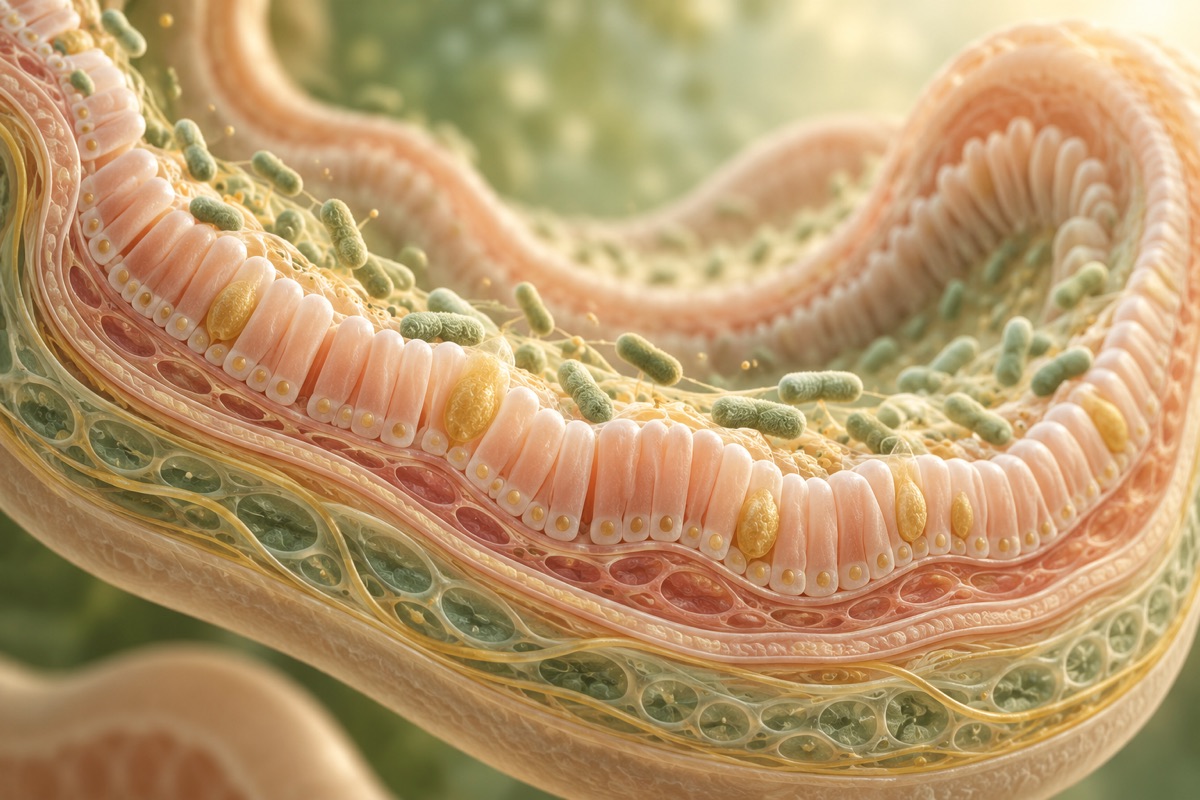
Clostridioides difficile can cause severe adult illness yet often colonises infants without obvious symptoms. Researchers investigated whether early exposure is biologically neutral. In newborn mice, bacterial toxins altered intestinal development and repair responses, with some changes persisting into adulthood. Human infant cells and tissue observations provided additional evidence of toxin sensitivity.
Experiments with non-toxin-producing strains and maternal vaccination produced different outcomes in mice. They do not establish a vaccine for pregnant people or show that asymptomatic infants should receive treatment. A substantial gap remains between an animal mechanism and long-term human health outcomes. The work raises questions about developmental effects of early microbial encounters, rather than providing a reason to change routine infant care.
Study date: 2026-09-03 · Story: 20 October 2026
What was found?
In newborn mice, C. difficile colonization changed intestinal inflammatory and repair responses without obvious illness. Some cellular changes persisted into adulthood. Tissue samples from colonized human infants also showed altered intestinal stem-cell behavior.
What does it mean?
Early microbial exposure deserves study beyond visible symptoms. Bacterial toxins may help explain effects on developing tissue.
Limitations
The main experiments were in mice, and long-term human health consequences remain uncertain. These results do not establish a need for routine testing or treatment of symptom-free infants.
Sources and review scope
Original article (DOI) · Reviewed source 1 · Reviewed source 2
Preclinical research and human tissue investigation; primary abstract checked.
Sources last checked: 20 October 2026.
Editorial expansion: 21.10.2026
Keep this story
Feedback to the editor
Only the editor can read this; it is not a public comment. Do not include personal health information.
Sign in to send feedback