
The story in detail
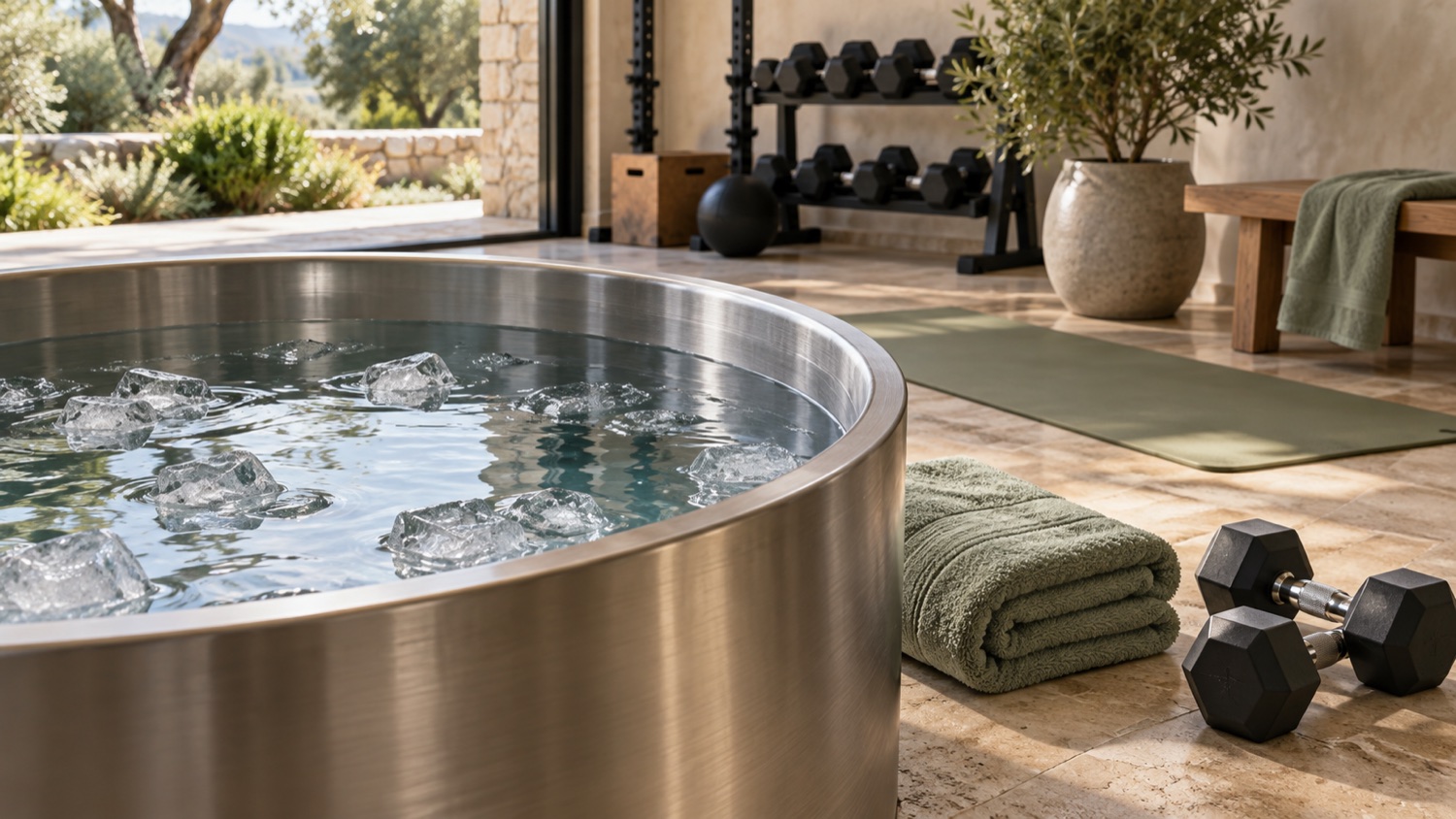
Feeling refreshed after cold water does not necessarily mean gaining more muscle. Researchers followed 21 active men through 12 weeks of twice-weekly strength training. Recovery involved either ten minutes in cold water or active movement. Strength and muscle gains were greater with active recovery. A separate experiment in nine men examined muscle biopsies and found weaker or delayed cellular responses after cooling.
The distinction is between immediate recovery sensations and adaptation over repeated sessions. These small experiments cannot represent every athlete, especially women or other age groups. They also do not establish the effects of occasional cooling, injury treatment or every cold-water protocol. The finding concerns a regular recovery strategy after resistance exercise, rather than a blanket verdict on cold exposure.
Updated: 20 October 2026 · Study date: 2015
What was found?
In a 12-week study completed by 21 men, muscle and strength gains were smaller after cold-water immersion than after active recovery.
What does it mean?
Short-term relief and long-term training goals need to be considered separately when choosing recovery methods.
Limitations
The sample was small and tested a specific protocol. This does not mean every cold shower is harmful. This story summarizes a 2015 study, not a new experiment.
Sources and review scope
Source 1 · Original article (DOI)
English adaptation of the reviewed Turkish edition. The translation preserves its study population, uncertainty and limitations. It is not an independent new study review. Translation checked: 20 October 2026.
Editorial expansion: 21.10.2026
Keep this story
Feedback to the editor
Only the editor can read this; it is not a public comment. Do not include personal health information.
Sign in to send feedback